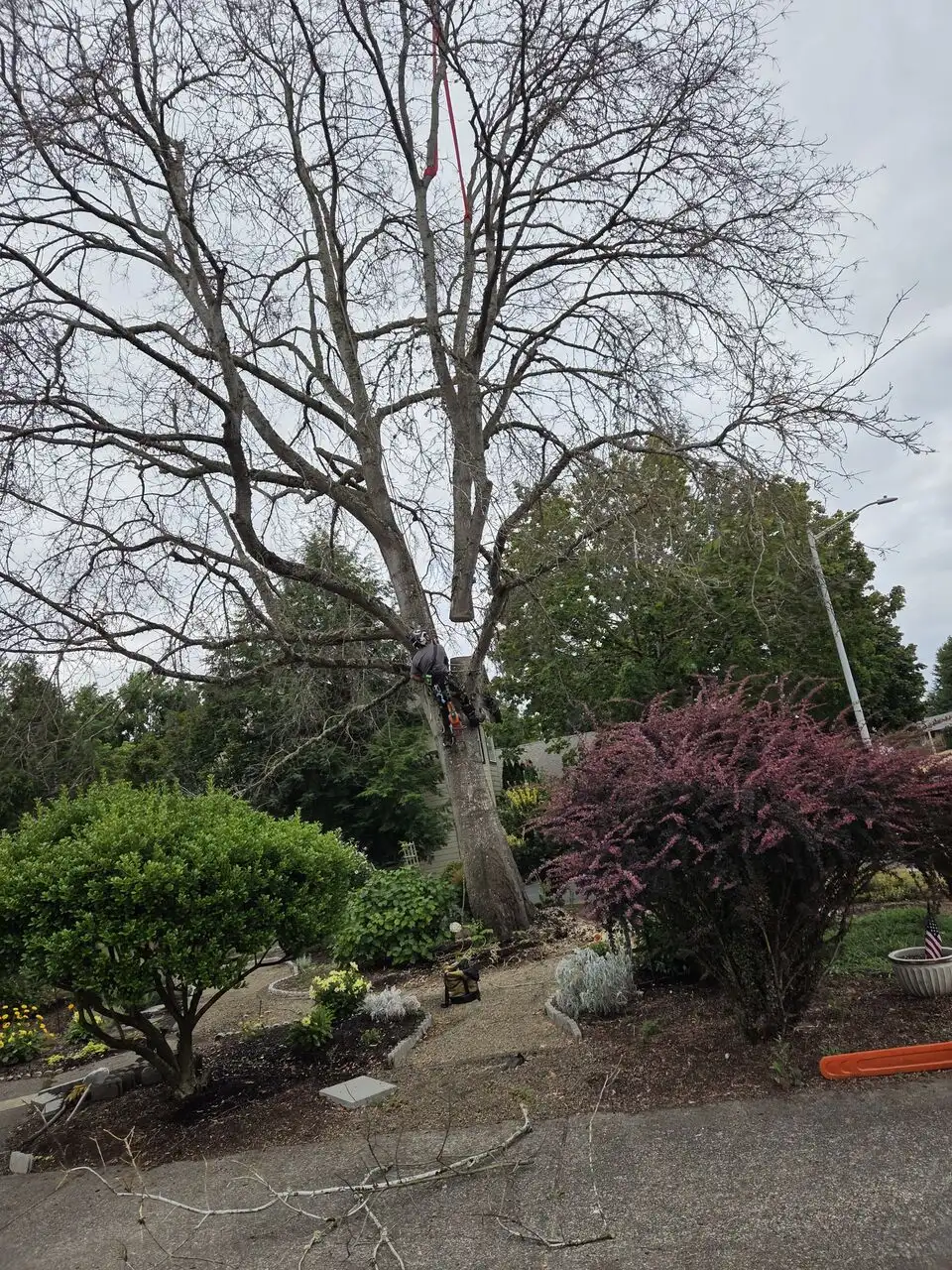
Here is the short answer. For most deciduous trees in Clark County, the best time to prune is late winter while the tree is dormant, roughly February into early March. That is late enough that the hardest cold has passed, and early enough that the tree has not broken bud. The honest part: the right time depends on the tree and the job, and some pruning should not wait for a season at all.
Why late winter works for most trees
A few plain reasons line up in the dormant season.
- You can see the structure. With the leaves gone, the shape is easy to read.
- The tree has its energy stored. A dormant cut does not rob leaves it needs to feed itself that day.
- Wounds seal fast. A cut made just before growth seals over quickly once the sap moves.
- Less disease and pest pressure. Most insects and disease organisms are dormant in winter, so a fresh cut is not exposed to them.
We say late winter, not just any time in winter. Once the worst cold has passed, a fresh cut avoids the edge injury a hard freeze can cause. Washington State University's PNW Gardener's Handbook chapter on pruning explains the rest.
Why fall is the worst time here
Fall feels tidy, so pruning then seems reasonable. In our wet climate it is the worst choice. A cut made in October or November heads into months of rain and stays wet for weeks, which is exactly when wood decay fungi are active and releasing spores, looking for an open wound. Late cuts also push out tender growth that will not harden off before the cold. A February cut faces the same wet season, but the tree seals it as spring approaches, so the window stays short.
The trees that break the rule
A few common Clark County trees do not follow the late-winter rule.
Cherries, plums, and other stone fruit
This one runs on the opposite calendar. Cherries, plums, flowering ornamentals, and other Prunus trees are best pruned in the dry part of summer, July into August, not in winter. The reason is bacterial canker and silver leaf, diseases that enter fresh cuts through splashing rain and cool, wet conditions. Pruning after harvest in dry weather gives those wounds the best chance to stay clean, as Oregon State's write-up on bacterial canker of stone fruit explains. In winter, wait for a dry stretch with no rain forecast for a week.
Maples and birches that bleed sap
Prune a maple or birch in late winter and you may see sap dripping from the cut. It looks alarming, but it is not. That is just sap rising to feed new buds, and the loss does not harm a healthy tree. If it bothers you, prune these in early summer once the leaves have hardened, when the flow is calmer. One note on birch: the bronze birch borer is active from late spring into midsummer, so avoid pruning birches then, for a reason separate from the sap.
Spring bloomers
Rhododendrons, lilacs, forsythia, magnolias, and dogwoods set next year's flower buds during the previous summer. Prune them in the dormant season and you cut off the flowers before they open. Prune these right after they finish blooming, into early summer, and you keep next year's show.
Conifers
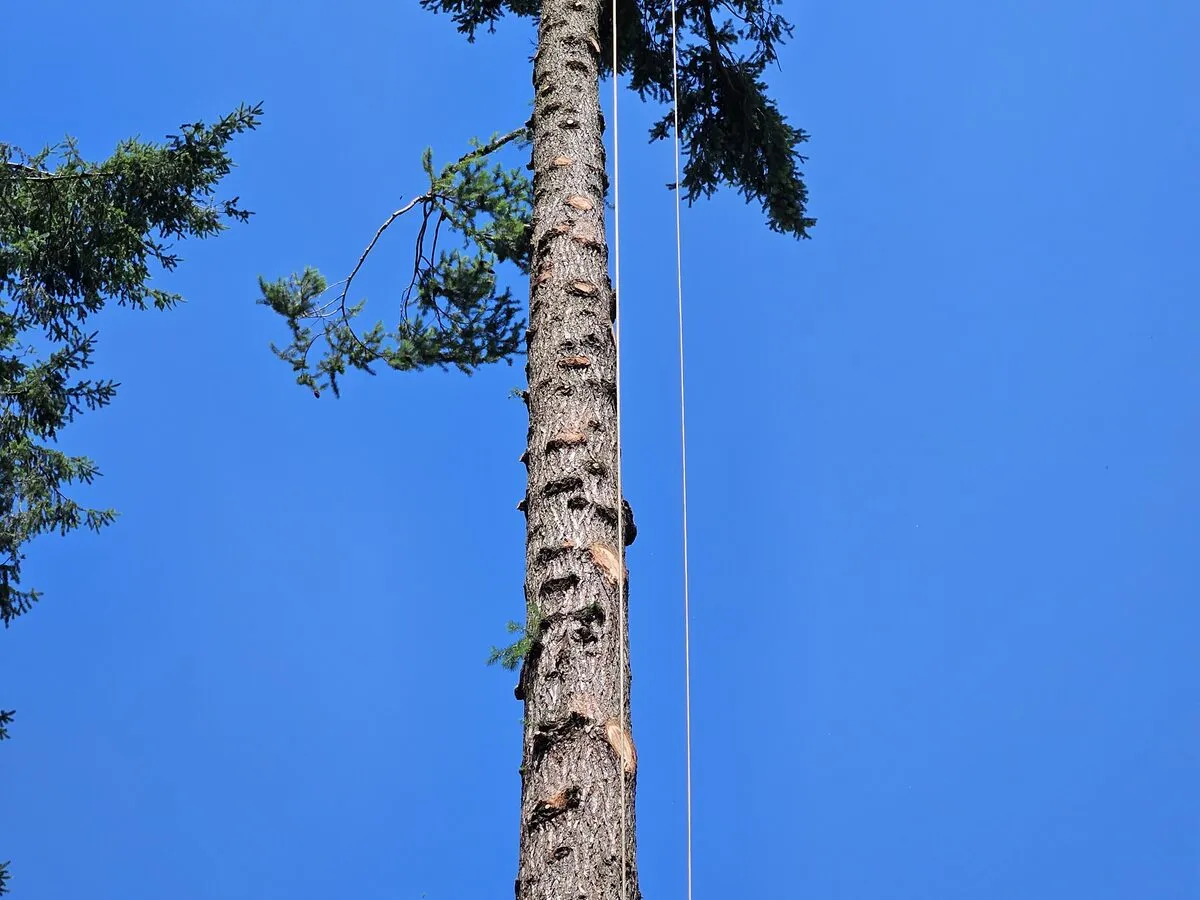
Firs, cedars, and pines play by different rules. Most mature conifers need very little pruning, and there is no dormant-season rule to follow. Dead or damaged wood can come out any time. Pines are shaped in spring by pinching the soft new candles before the needles elongate, and other conifers by trimming the soft new shoots as they push out in late spring. A fir does not want to be pruned like a maple.
What you can prune any time of year
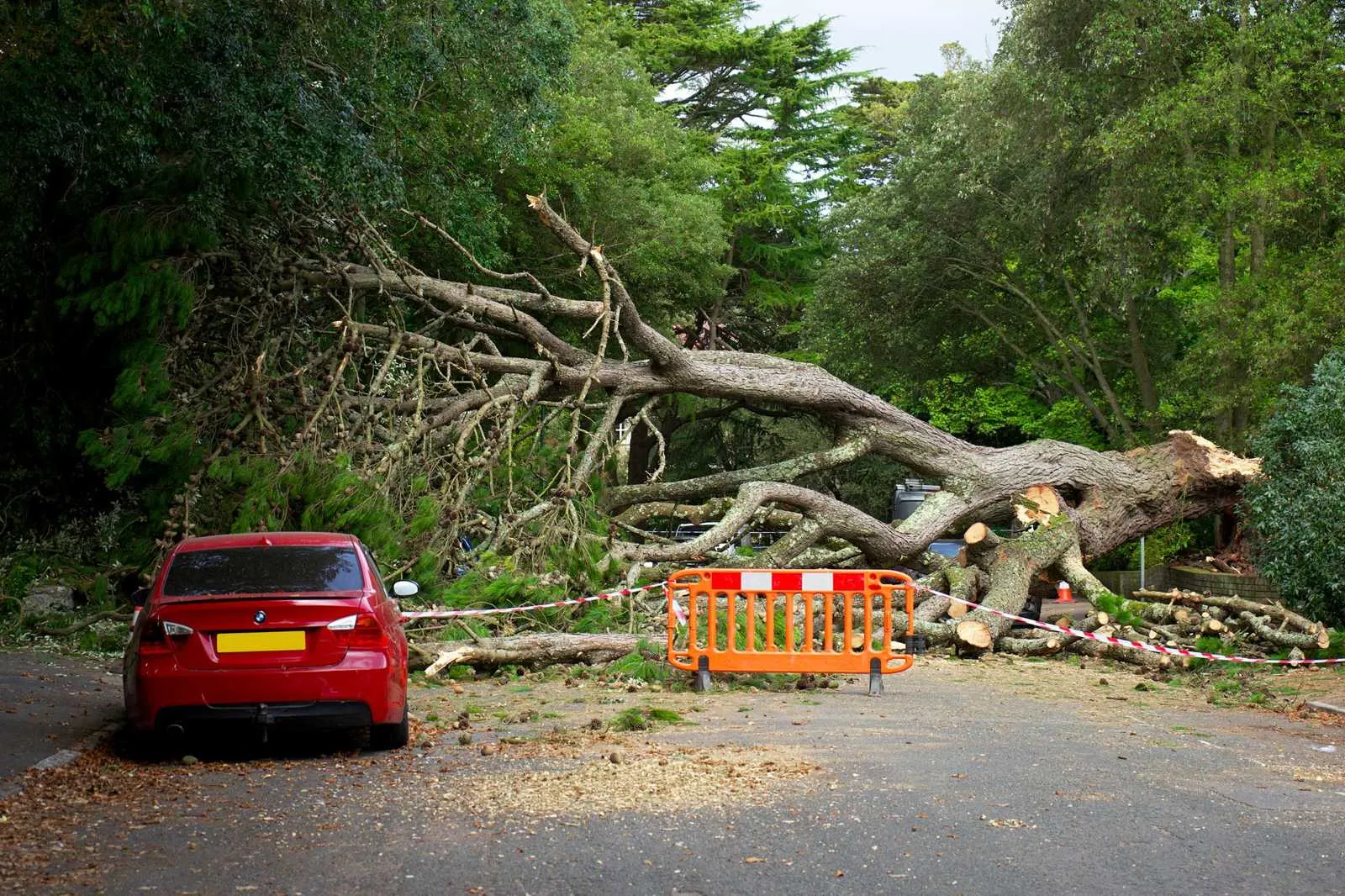
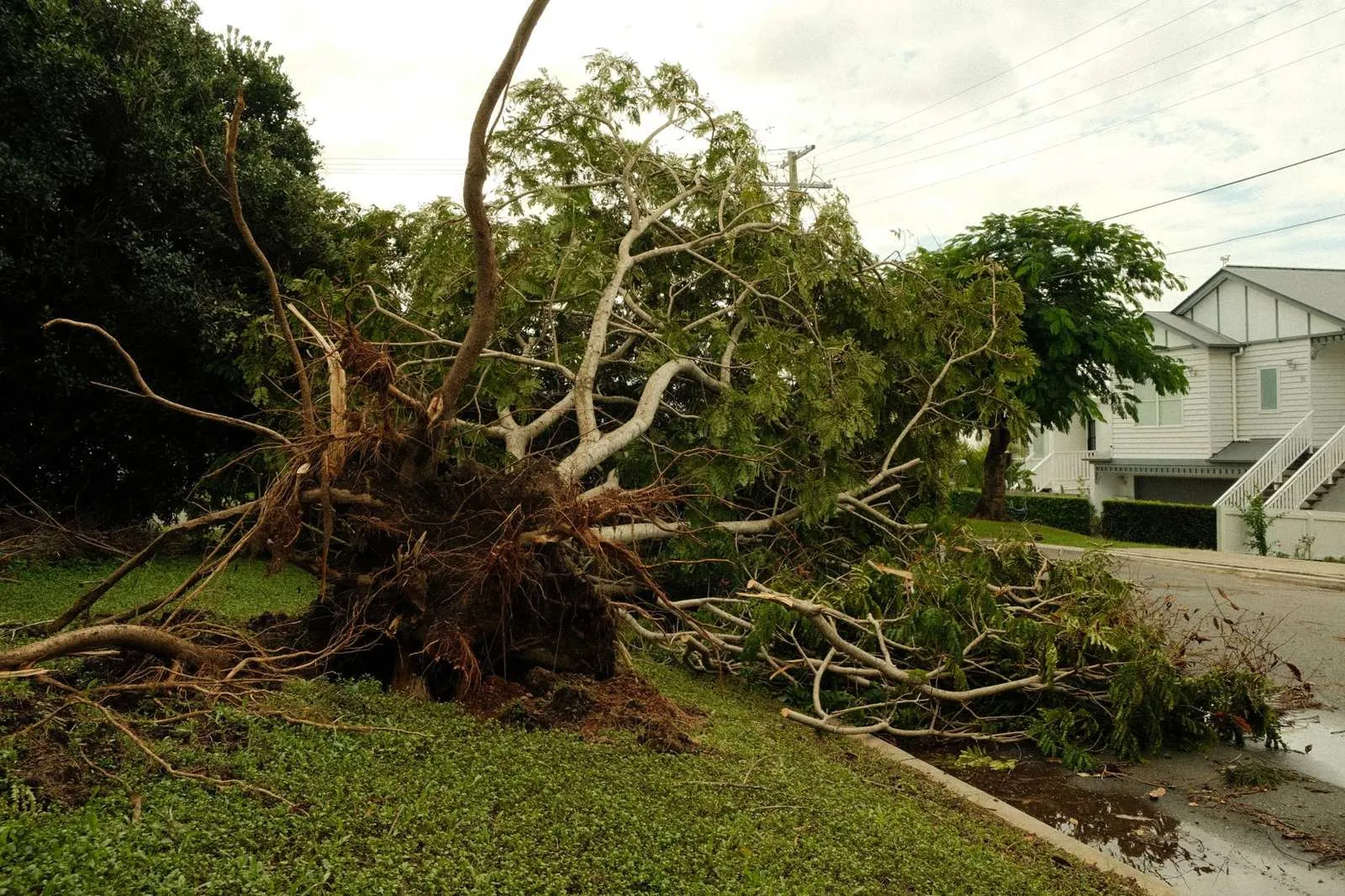
Timing matters for shaping and structural work. It does not matter for hazards. Dead, damaged, diseased, or hazardous limbs can come off any time of year, and so can storm damage and any branch over a roof or a power line. Those are safety issues, not aesthetic ones, so please do not sit on a cracked or hanging limb waiting for February. If you are unsure a limb is a problem, our post on how to spot a hazardous tree walks through what to look for, and our emergency tree service is there when something comes down and cannot wait.
A quick note on nesting birds
From roughly mid-April through the end of July, birds are actively nesting here, and active nests are federally protected. This is one more reason the February into early March window works so nicely: past the worst cold, ahead of nesting season. Take it as a friendly heads-up, not a warning. If you are planning major pruning in late spring or summer, it is worth a look for nests first. Hazard and storm work is still fine any time.
Hedges are their own thing
Arborvitae and laurel hedges are really two jobs. Hard structural work, like reducing size or renovating an overgrown hedge, is best done in late winter or early spring so new growth covers the cut lines. Light shaping to keep a formal hedge crisp is done in late spring, with a touch-up in late summer. We avoid shearing evergreen hedges hard right before a cold, wet winter, since freshly cut foliage browns more easily then. One firm rule with arborvitae: it will not regrow from bare interior wood, so shear the green outer growth only. That is what our hedge and shrub trimming is for.
Season by season, at a glance
- Late winter (Feb to early March): the main window for deciduous trees, structural pruning, and crown work.
- Spring: prune spring bloomers right after they flower. Pinch pine candles. Shape conifers as new growth pushes.
- Summer: cherries, plums, and other stone fruit in dry weather. Maples and birches if the sap bothers you. Fruit-tree size control after harvest.
- Fall: skip it for shaping and structural cuts. Hazards and storm cleanup still come off whenever they appear.
Good pruning is about the right cut in the right place, which is the whole reason a good arborist will never top your tree. If you would like a second set of eyes, Priority Tree Service is a family-run company here in Vancouver, WA, and our ISA Certified Arborist is glad to tell you plainly what your trees need, even if the answer is that they can wait. Our tree trimming and pruning covers all of Clark County.