You have three quotes on the kitchen table for the same fir. They are not close to each other, they are not written the same way, and two of them are a number on the back of a business card. Which one is right?
This comes up constantly, and it is a fair question, because tree work is one of the few home services where the cheapest bid can genuinely cost you the most. Here is how to read what you have been handed.
Why nobody quotes a tree over the phone
Start with the thing that frustrates people most. You call, you describe the tree, and instead of a price you get asked when somebody can come look at it.
That is not a sales tactic. Two trees of identical height can be completely different jobs, and almost none of what decides that is visible from a description. What sits underneath the tree, whether there is a drop zone, how close the power lines run, whether the wood is sound enough to climb, whether a chipper can get within a hundred feet of it, and what is buried in the ground all move the number more than the height does.
So when a company does give you a firm price over the phone without seeing it, treat that as information rather than convenience. Either they are quoting high enough to cover whatever they find, or the number is going to change once they are standing in your yard. Neither is what you wanted when you asked.
The five things a written estimate should say
A verbal number is not an estimate. Before you compare anything, check that each quote actually tells you:
- Which trees, specifically. "Remove fir" is not enough when you have four of them. Species, location, and what is being done to each.
- What happens to the wood. Hauled away, bucked and stacked for you, chipped and left, or your problem. This is one of the largest hidden differences between two bids on the same tree.
- Whether the stump is included. Grinding is a separate line on most jobs. A quote that quietly excludes it will look cheaper than one that includes it, for the same work.
- What cleanup means. Raked and blown, or logs left where they landed. Ask, because both get called cleanup.
- The access plan. If a crane, a bucket truck, or ground protection is part of the job, it should be on the paper. Finding out on the day is how change orders happen.
Line those five up across three quotes and a surprising number of price differences turn out not to be price differences at all. They are scope differences that nobody spelled out.
Ask for the insurance certificate. Actually ask.
This is the part of the article that matters more than the rest of it put together.
Tree work is genuinely dangerous, and it happens on your property. If an uninsured crew drops a limb through your roof, that is a conversation with your own homeowners insurer. If somebody without workers compensation coverage gets hurt in your back yard, the exposure can land on you. Those are not hypothetical scenarios in this trade, and they are the reason a properly insured company cannot bid as low as one that is not carrying the coverage.
So when a bid is dramatically under the others, the first question is not "how are they so cheap." It is "what are they not carrying." Ask every company for two things:
- A certificate of liability insurance, sent to you directly by their insurer or agent rather than as a photocopy.
- Their Washington contractor registration number, which you can look up yourself through the Department of Labor and Industries. Ours is PRIORTS781KC.
Any legitimate company will send both without hesitating, because they get asked constantly. Hesitation is the answer to your question.
What actually moves the price
Once you know the bids cover the same work and everyone is insured, the remaining spread usually comes down to a handful of things. None of them are mysterious.
- Size, and specifically weight. Height gets the attention, but trunk diameter and crown mass decide how long the job takes and how much wood leaves your property. A short, fat maple can be more work than a tall, slim alder.
- What is under the tree. An open field is the cheap version. A roof, a fence, a septic drainfield, a greenhouse, or a power line means every piece comes down on a rope, in order, and that is time.
- Access. If the truck and chipper can get close, the job is efficient. A back yard behind a 34-inch gate means the whole tree gets carried out by hand, and that difference is real money on a big removal.
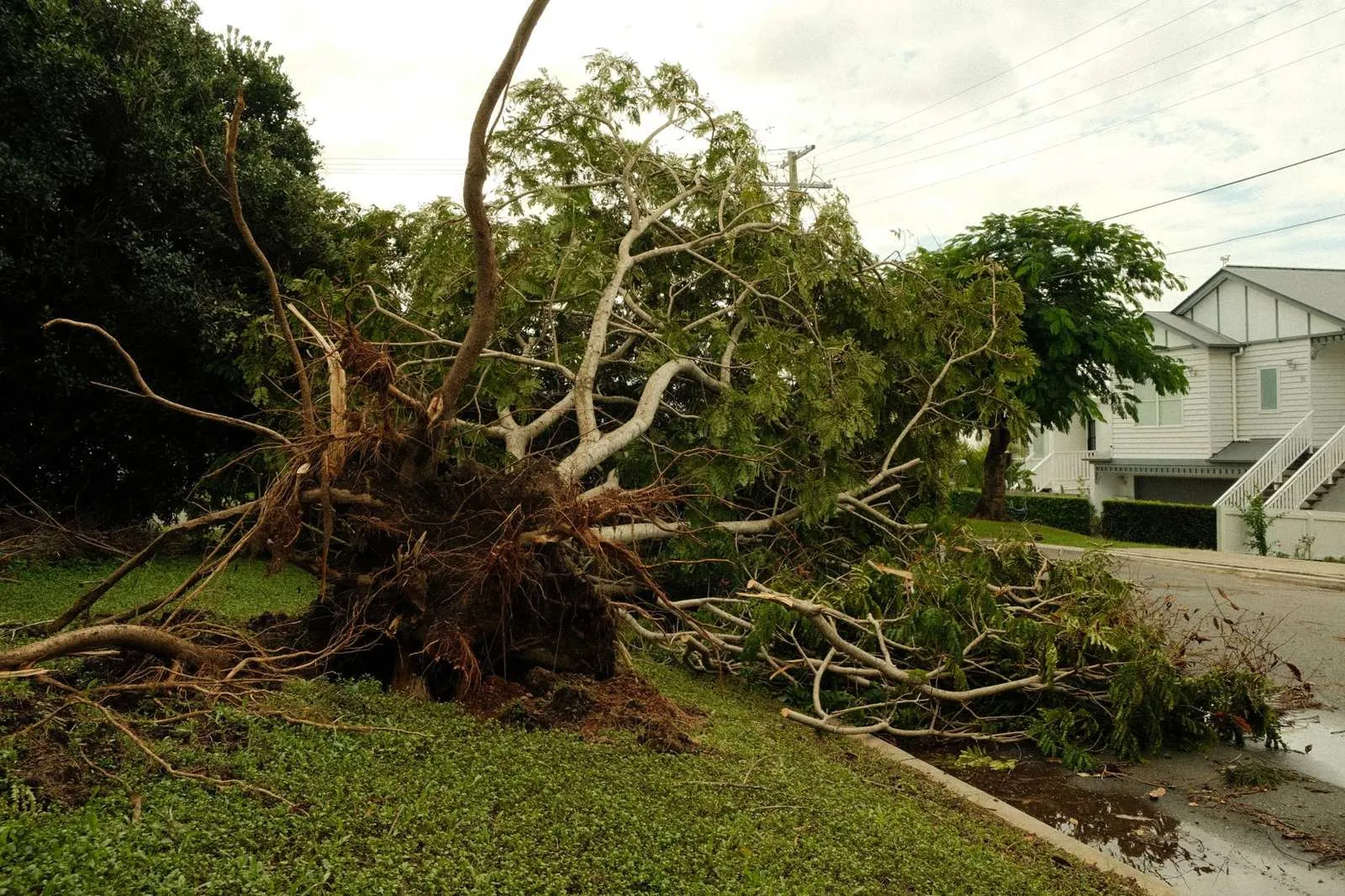
- The condition of the wood. Dead, hollow, and storm-damaged trees cannot be climbed the way a sound one can. That often pushes a job toward a bucket truck or a crane, which changes the number and is usually the right call anyway.
- Whether a crane makes sense. On a genuinely difficult tree, the time a crane saves can bring the total closer to a conventional takedown than people expect. On an easy tree it is money you did not need to spend, and a good company will tell you which one you have.
The bids that should worry you
Most tree companies around Clark County are decent operations doing honest work. A few patterns are worth walking away from:
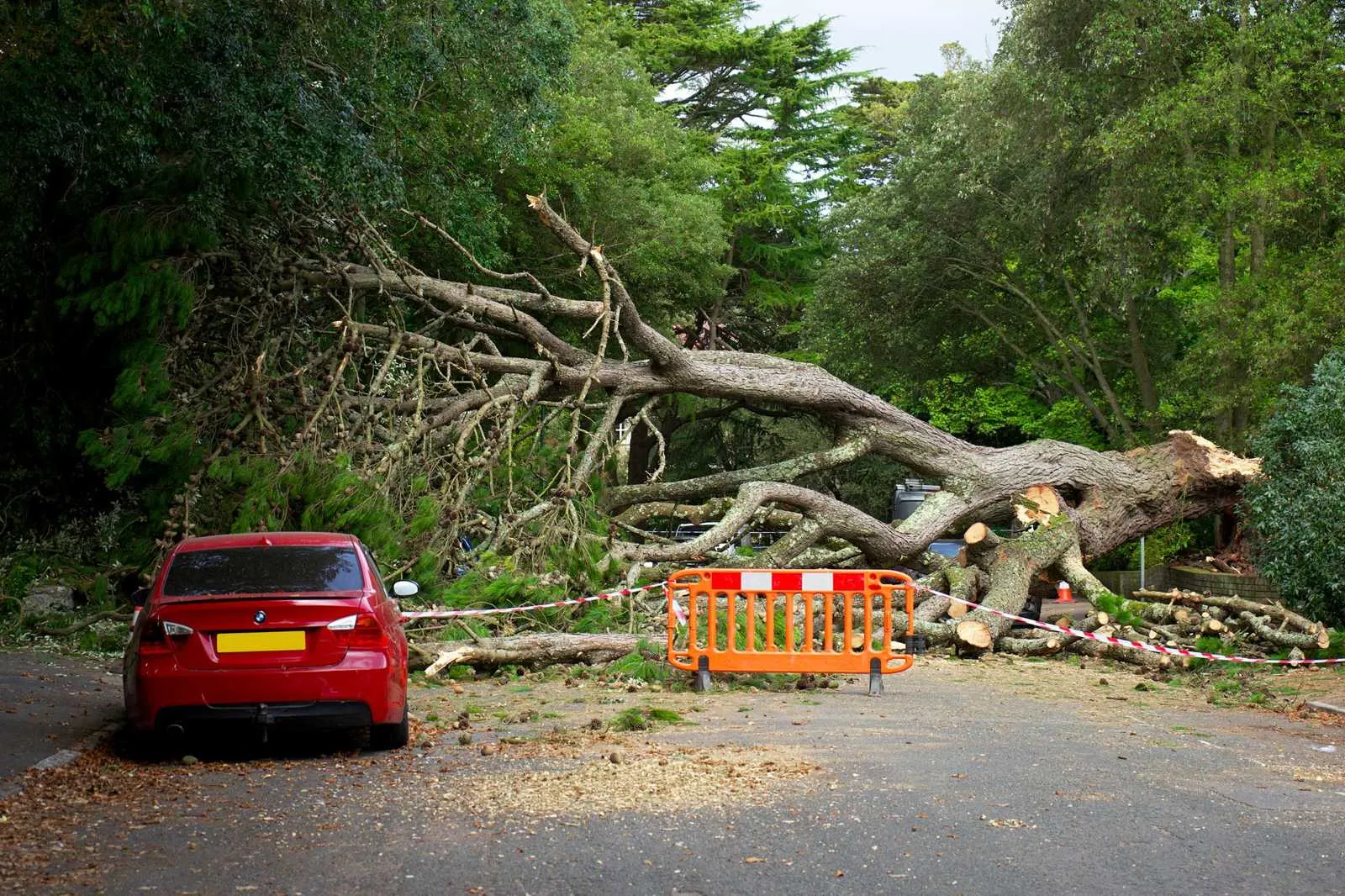
- Door-knocking after a storm. The crews that appear in a neighborhood the morning after a windstorm, cash only, "we are already working next door," are the single most common source of the horror stories we get called in to fix.
- Large deposits up front. Some deposit on a big job is normal. Most of the money before any work happens is not.
- An offer to top your trees. Topping cuts a crown back to stubs. It leaves the tree weaker, uglier, and more likely to fail later, and it is contrary to current arboricultural standards. Being offered it tells you what you need to know about the company offering it.
- No written anything. If a company will not put the scope in writing before starting, there is nothing to hold either of you to when the job goes differently than described.
- Pressure to decide today. A tree that has stood for eighty years can wait a week while you get a second opinion. Genuine emergencies are the exception, and a genuine emergency is obvious to both of you.
Where a certified arborist changes the answer
Not every job needs one. A straightforward removal of a dead alder in an open yard is a job for a competent, insured crew, and there is no reason to pay for more expertise than that.
Where the credential earns its keep is in the decisions before the cutting. Whether a tree can be saved rather than removed. Whether the leaning fir you are worried about is actually a hazard or just leaning. How much can safely come off a mature tree without triggering decline. Whether a permit or an arborist report is required before anybody touches it. Those are diagnostic questions, and the answer changes what you spend, sometimes by a lot and often downward.
The ISA Certified Arborist credential is verifiable, and it is worth verifying rather than taking on trust. The ISA maintains a public directory you can search by name or location. TRAQ, the Tree Risk Assessment Qualification, is a separate and more specific credential covering exactly the "is this tree going to fall on my house" question.
A practical way to run the comparison
If you want a method rather than a list, this one works:
- Get three estimates in writing for identical scope. Tell each company the same thing about wood, stump, and cleanup so you are comparing like with like.
- Ask all three for a certificate of insurance and their L&I registration number. Drop anyone who stalls.
- Set the middle bid as your baseline. Then work out why the high one is high and why the low one is low. There is always a reason, and it is usually scope or coverage rather than greed or generosity.
- Ask the outlier directly. "Your quote is well under the others, what am I missing?" A good company has a straight answer, like better access equipment or already being in your neighborhood that week.
- Weigh how they assessed the tree, not just what they charged. The company that walked the property, looked up into the canopy, and explained what they were seeing is telling you something about how the day will go.
What we do
We come out, look at the tree in person, and give you a written estimate with the scope spelled out, at no charge and with no pressure. Stephen is an ISA Certified Arborist and TRAQ qualified, so the recommendation you get is a diagnosis rather than a sales pitch, and a decent share of our estimates end with us saying a tree is fine and does not need anything this year.
If you want to see how we price and plan a specific job, the detail is on the service pages: tree removal, stump grinding, tree trimming and pruning, and emergency and storm service. Each one has a section on what moves the cost, which is the same thing we would tell you standing in your driveway.
And if you are comparing us against two other quotes right now, ask us the outlier question. We would rather explain our number than have you wonder about it.