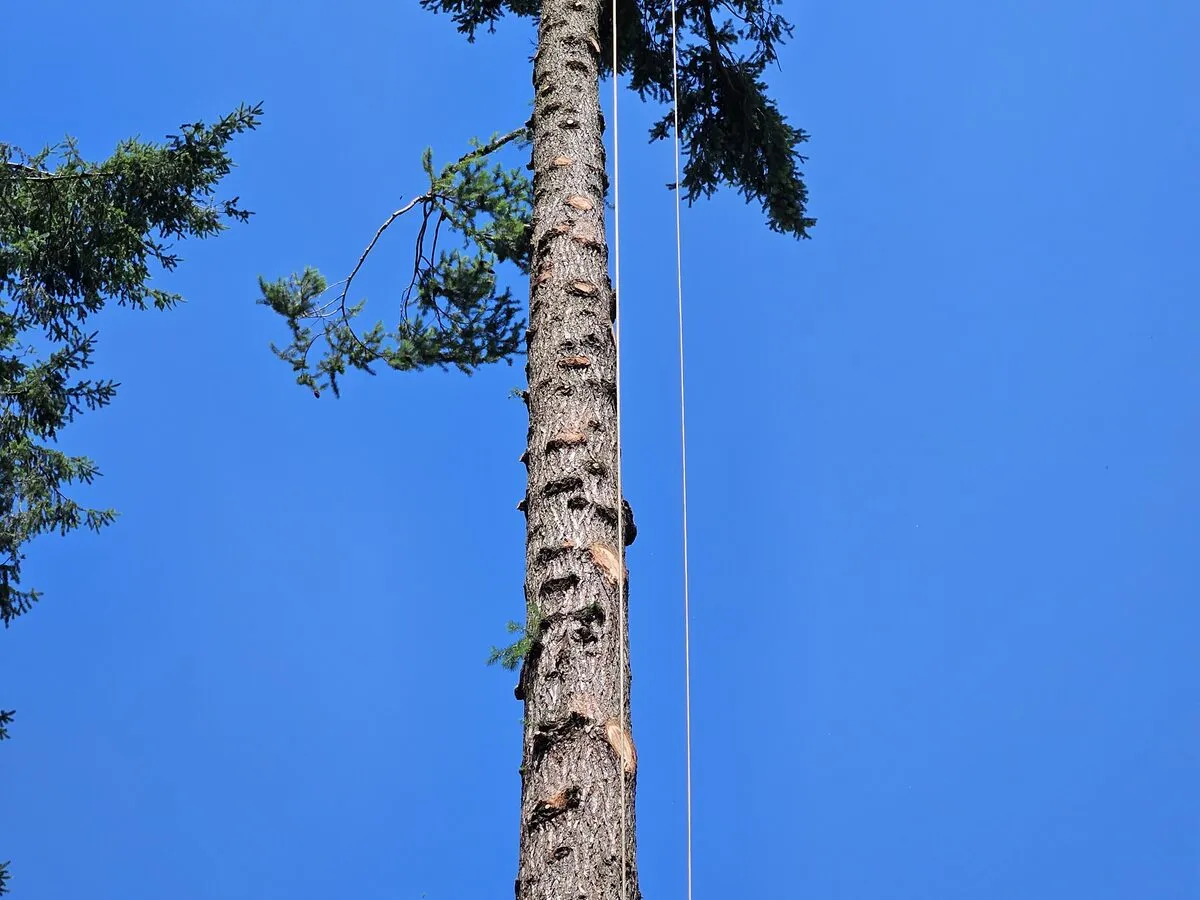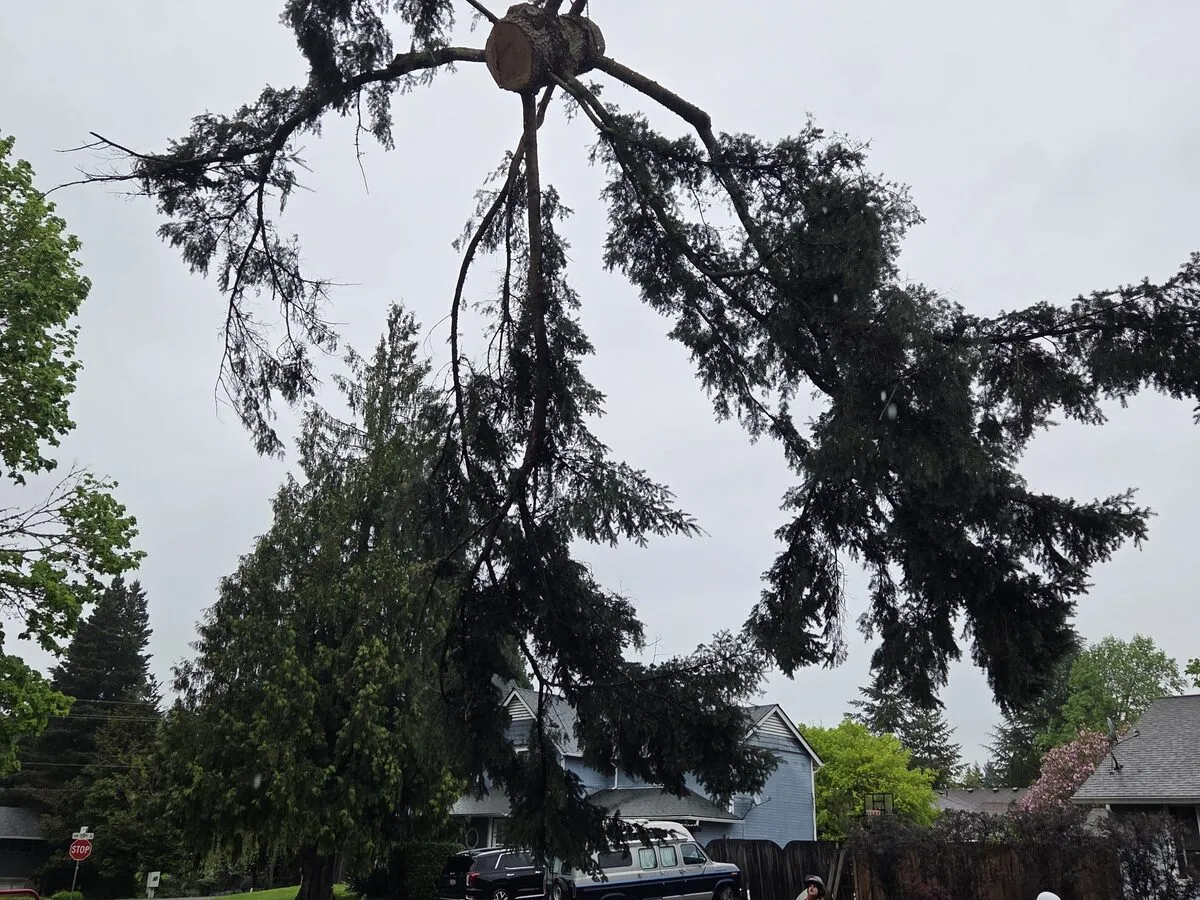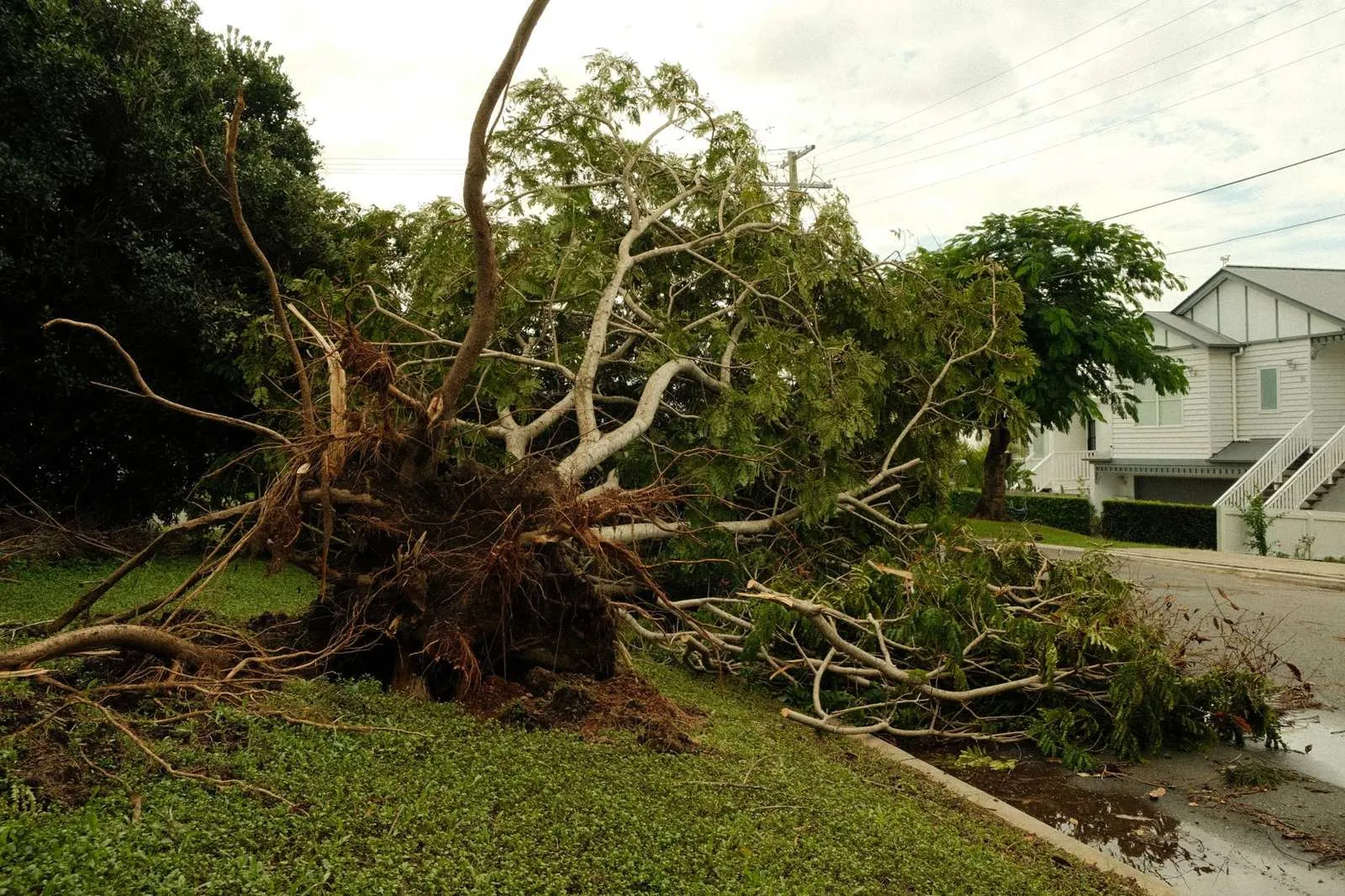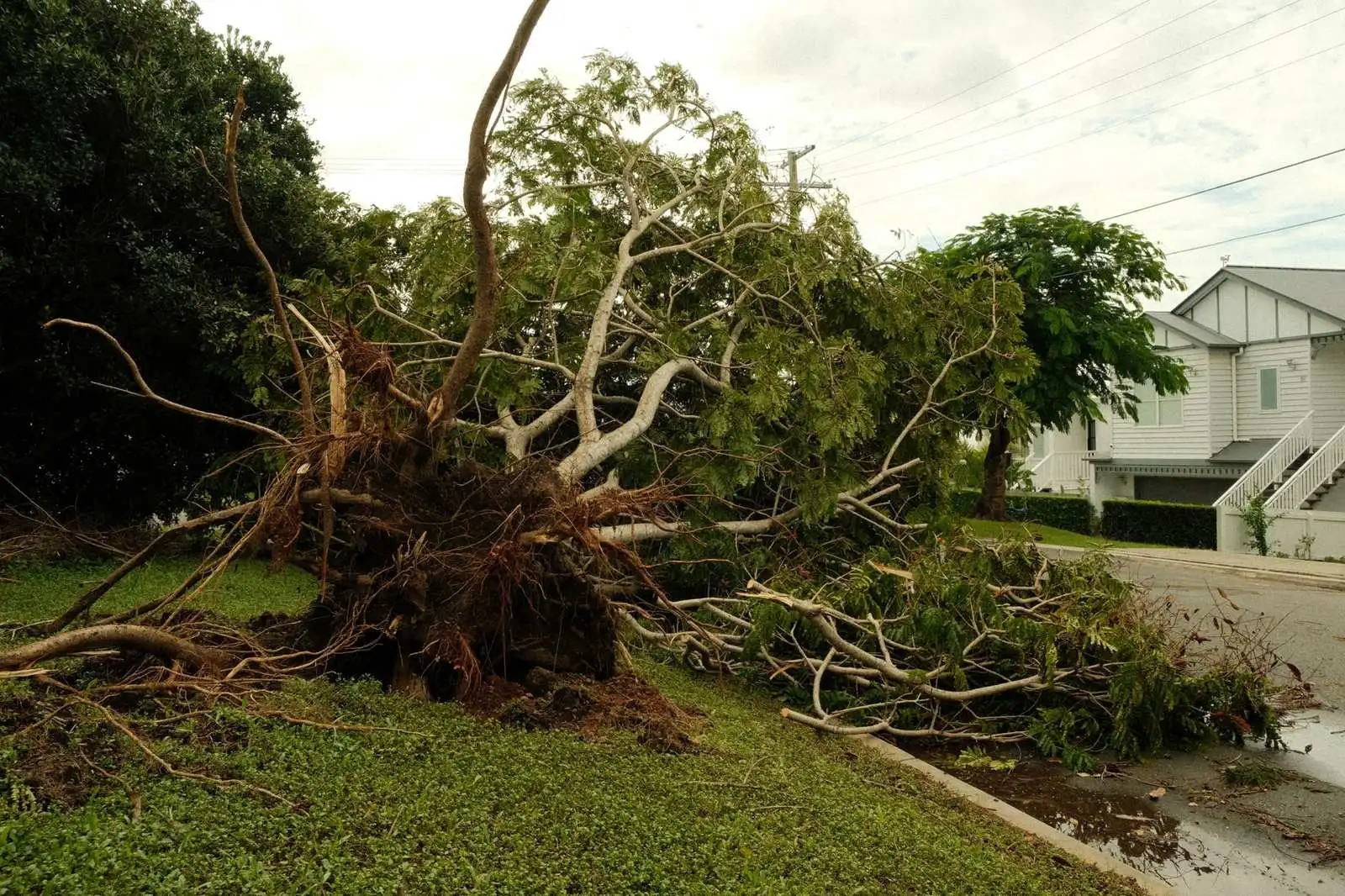
The tree is down, the wind has died, and now you're wondering who pays. So, does homeowners insurance cover tree removal? In Washington the short version is that it depends on what the tree landed on. Insurance usually helps when a tree damages your house, garage, or car. It usually doesn't help when you just want a tree gone.
This is general information drawn from the Washington Office of the Insurance Commissioner (OIC), not insurance advice. Your policy decides what's covered, so your agent or insurer is the one to ask.
Does Homeowners Insurance Cover Tree Removal After a Storm?
According to the Washington OIC's winter weather guidance, homeowner insurance usually covers damage from falling trees. But it generally doesn't cover removing trees or branches unless the tree fell on your home, garage, car, or similar property.
That line is the one most people miss. A tree that smashes a section of roof is a covered event under many policies. A tree that falls in the back corner of the yard and hits nothing is usually just a cleanup bill that lands on you.
Many policies also put a limit on what they'll pay for debris removal, and the number varies from one policy to the next. We're not going to guess at yours. Look for the debris removal or tree removal section of your policy, or ask your agent what the limit is before a storm, not after.
When Tree Removal Tends to Be Covered
These are the situations where people most often get help, based on the OIC's description of how falling-tree claims work. Whether your policy pays is still your insurer's call.
- A tree falls on your house, garage, or another insured structure, and removing it is part of repairing the damage.
- A tree falls on your car. That's usually handled by the comprehensive coverage on your auto policy, not your homeowners policy, and the OIC notes each policy has its own deductible.
- A neighbor's tree falls on your property. The OIC says your own homeowner insurer will often pay, even though the tree wasn't yours, and you'd owe your deductible.
That last one surprises people. Getting your money back from the neighbor's insurance generally means showing the neighbor was at fault, and the OIC says that can be hard to prove. We walk through that situation in who pays when a neighbor's tree falls in Washington.
When You Should Expect to Pay Yourself
If the tree didn't hit anything insured, the removal bill is usually yours. That includes a few cases that feel like they should be covered but usually aren't.
- You want a healthy tree removed because it's too big, too messy, or in the way of a project.
- A tree or limb fell in your yard and damaged nothing but the lawn.
- A dead or declining tree is still standing. Taking it down before it fails is maintenance, and maintenance isn't an insured loss.
It's worth saying plainly: waiting on a dead or leaning tree and hoping insurance picks up the pieces is a gamble. Your insurer may look at whether a problem was visible beforehand. If you're not sure about a tree, our guide on how to spot a hazardous tree before the next windstorm will help you decide whether it's time for an arborist report.
What to Do Before You Call Your Insurer
The OIC's advice for a tree that has fallen on your home is short and practical. We've added a few notes from the tree side.
- Call your insurer or agent as soon as you can. Tell them what happened and ask what your policy covers.
- Document the damage. Take photos or video of the tree and the damage before anything moves, from a safe distance.
- Limit further harm if it's safe. The OIC mentions covering broken windows or a leaking roof. Don't climb on a roof with a tree on it, and stay out from under anything hung up.
- Hold off on permanent repairs. The OIC says to wait until your insurer has inspected the property and you've agreed on the work.
- Keep every receipt, including the ones for temporary fixes like tarps and plywood.
The OIC also notes that filing a claim can raise your premium, and an insurer may decline to renew after claims, even small ones. If the damage is minor and your deductible is high, it's reasonable to ask your agent how a claim would affect you before you file.
A Simple Paper Trail for Any Tree Claim
Whether or not a claim ends up paid, a clean record helps. It also makes the conversation with your insurer easier, because you can answer questions with dates and pictures instead of memory.
- Photos or video of the tree, the impact point, and the damage, taken before anything is moved.
- The date and time the tree came down, and what the weather was doing.
- The name of everyone you spoke with at your insurance company, and what they told you.
- A written estimate for the tree work, plus receipts for any temporary repairs.
- If you can't stay in the home, receipts for living costs. The OIC says to ask whether your policy covers them.
If a tree you were worried about is still standing, photos of it from before the storm are useful too. A dated record of an arborist's assessment shows you took the problem seriously, and it gives you something concrete to work from if the situation changes.
Where a Tree Company Fits In
Getting the tree off the structure is a separate job from the insurance conversation, and the two usually run side by side. For a tree resting on a roof, you'll want a crew that can release the load in the right order, and that's the work our emergency tree service is built for.
We photograph and document what we find on site, and we're happy to give your adjuster that information. What we can't do is tell you what your policy covers or whether a claim will be approved. That's between you and your insurer.
The OIC also suggests confirming that any contractor you hire is registered with the state, even one your agent recommends. Washington's Department of Labor & Industries has a contractor verification tool for exactly that. And when you're lining up bids, how to compare tree service estimates in Clark County covers what a written estimate should include.
Questions People Ask About Insurance and Tree Removal
Does Homeowners Insurance Cover a Tree That Fell Without Hitting Anything?
Usually not. The OIC says homeowner insurance generally doesn't cover tree removal and cleanup unless the tree fell on your home, garage, car, or similar property. Check your policy for a debris removal limit and ask your agent whether any extra coverage applies.
Will Insurance Pay to Remove a Dead Tree Before It Falls?
Generally no. Removing a tree that hasn't caused damage is maintenance rather than a covered loss. If you're worried about a tree, an arborist can assess it so you can make the call with real information.
Who Pays When a Neighbor's Tree Falls on My House?
The OIC says your own homeowner insurer will often pay, and you'd owe your deductible. Recovering that money from the neighbor's insurer requires showing the neighbor was at fault, which can be hard to prove.
Should I Get an Estimate Before or After I Call My Insurer?
Call your insurer first, then get your tree removal estimate. Tell the adjuster what the tree work will involve, keep the written estimate, and hold on to every receipt.
If a Tree Is Down on Your Property
If a tree has come down in Vancouver, WA or anywhere in Clark County, get everyone clear first, then call your insurer and call us. Our guide on what to do first when a tree falls on your house covers the first hour. Prefer to plan ahead? We look at tree removal jobs in person and put the estimate in writing, and the estimate is free.