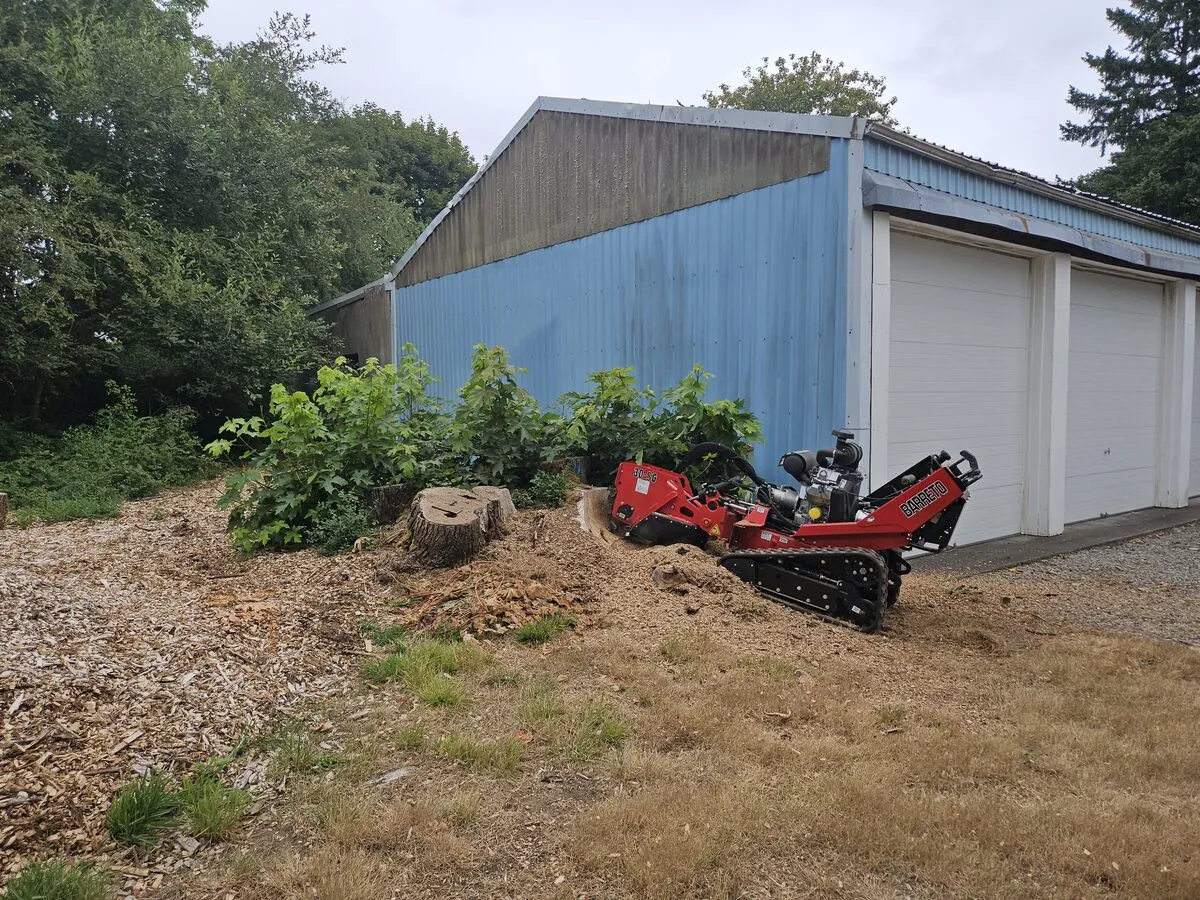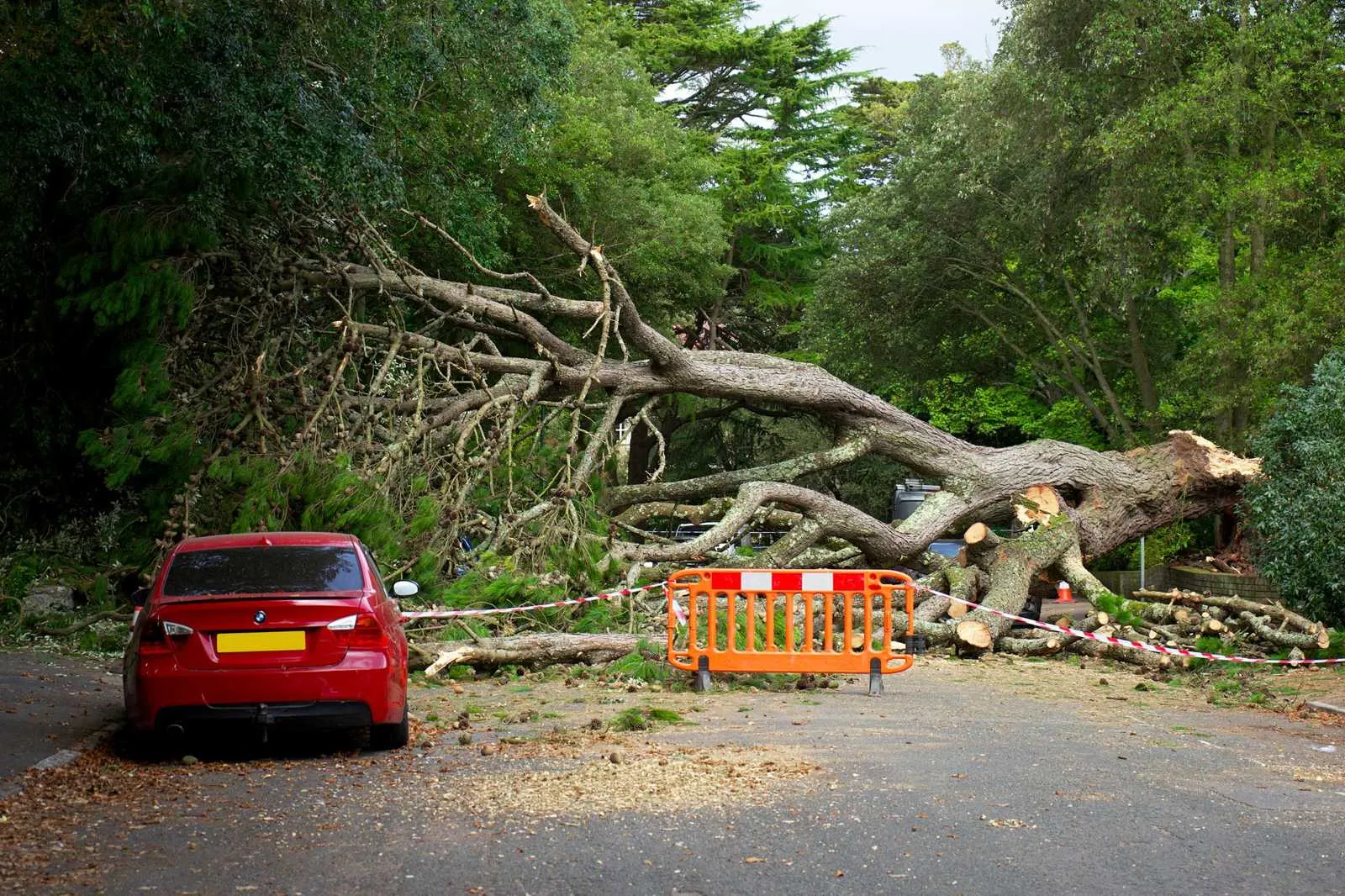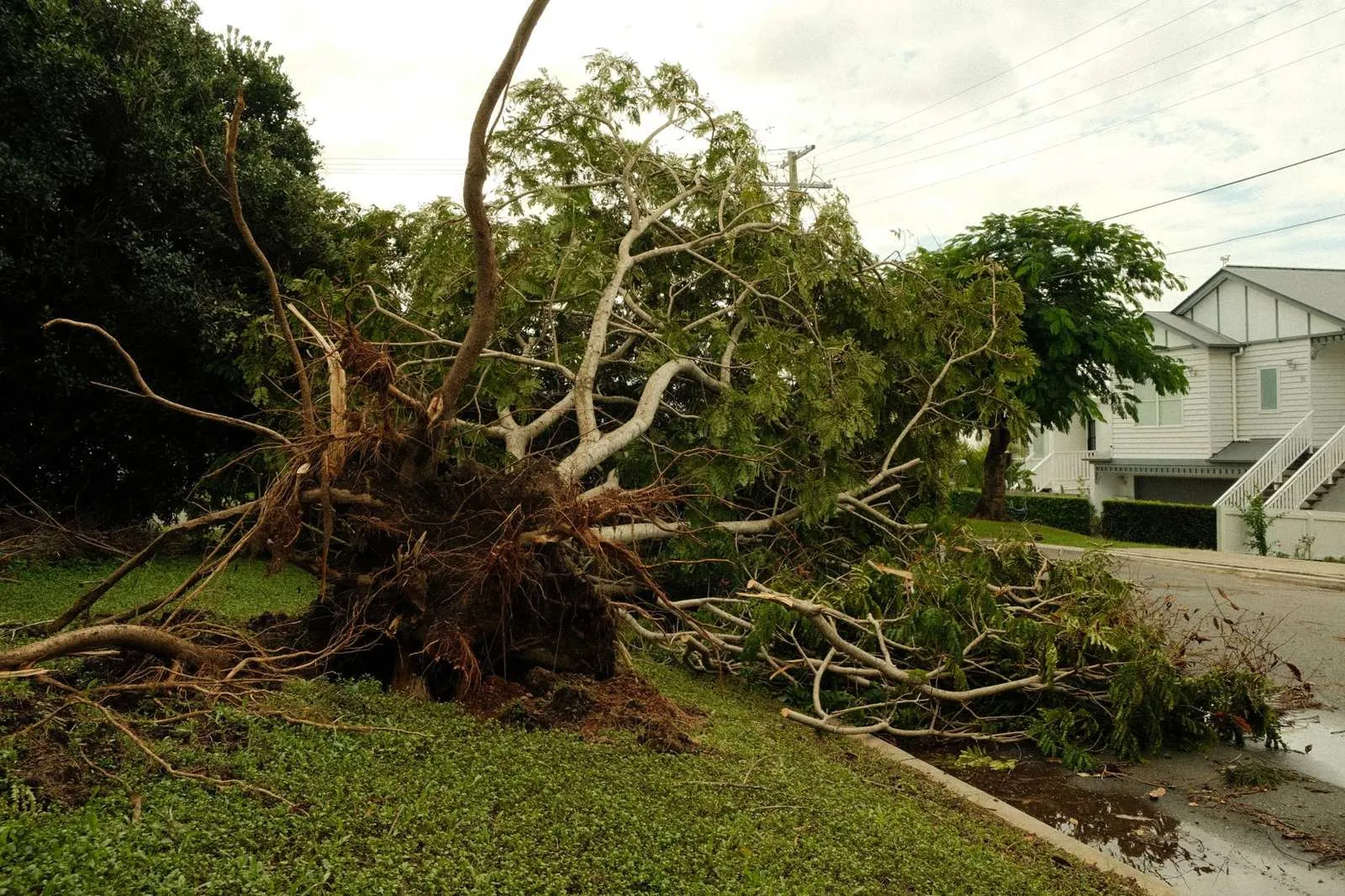
The tree is staying, so it seems separate from the new patio. Then the crew needs a place to park, the excavator takes a shortcut, and the trench for the new light runs through the same part of the yard. A project can affect a tree without anyone planning to cut it down.
Before a patio, fence, driveway, or utility installation near mature trees, include the trees in the site discussion. An arborist assessment is most useful while routes and locations can still change. Once excavation is open, the choices are narrower.
Show the whole project area
Bring the arborist more than a drawing of the finished patio. Mark the access route, material storage, excavations, proposed soil changes, and where equipment will sit during the job. Include temporary work that will disappear when the project is finished.
For a property in Brush Prairie, that might mean the route between the driveway and a backyard outbuilding. In a tighter Camas yard, the side passage and staging area may be the main constraints. The tree’s relationship to the construction process matters as much as its relationship to the finished structure.
Tell the arborist which trees you most want to keep and why. Shade over a deck, screening, or a tree planted by family can affect the discussion of practical alternatives. A protection plan begins with those priorities and the condition of the trees.
The trunk is only part of the picture
Root injury, compacted soil, added fill, and changes to drainage are among the construction impacts identified by the International Society of Arboriculture. Its guidance calls for early coordination between the builder and arborist and protective barriers before work starts.
That is why wrapping a trunk does not complete a protection plan. Ask the arborist to identify the area that needs protection for the particular tree and project. Do not assume that a circle drawn at the edge of the branches is the right boundary for every tree.
Photograph the existing ground and tree condition before the project begins. Those photos give everyone a common starting point if questions arise later. They are also useful when discussing an existing lean, exposed roots, or a drainage issue that predates the work.
Put the restrictions where the crew can use them
A helpful plan makes clear where equipment can travel, where materials can be stored, and which areas must remain undisturbed. Mark those decisions on the site drawing and discuss them with the people who will actually be on site.
Agree on who can authorize a change. If the delivery truck cannot reach the planned unloading point, the fallback should be a conversation, not moving a barrier out of the way. If another trade joins the project later, give that crew the same instructions.
For a multi-stage project, choose a person to keep the builder and arborist in contact. A fence crew, electrician, and landscape installer may each work for only a day. Without a shared plan, each sees only a small part of the disturbance.
Resolve root conflicts before cutting
If the proposed trench or footing conflicts with roots, ask the arborist and contractor to review alternatives together. A different route, adjusted location, or revised construction detail may be worth considering. The available options depend on the tree, site, and project; an online rule about how close to dig cannot settle it.
Do not cut a large root just because it is in the way, and do not ask a crew to compensate by removing branches from the crown. Let the arborist assess the implications before work continues. If excavation has already exposed or damaged roots, stop that work area and share photographs promptly.
The written scope should say what happens if conditions differ from the plan. That pause is easier to manage when the contractor expects it instead of discovering the requirement with an excavator running.
Plan the period after construction
Ask what follow-up the retained trees need and when they should be reviewed. Record any change in drainage or ground level that occurred during the project, even if it was outside the original scope. Share that record with whoever takes over landscape maintenance.
Avoid automatically adding fertilizer, deep fill, or heavy pruning to “help” a tree after the work. Ask for advice tied to its observed condition. If you are concerned about the tree’s structure, our guide to recognizing a hazardous tree explains what to report from a safe location.
Contact Priority Tree Service before the construction date with the site drawing, photographs, and intended work. An early review can identify conflicts while the project still has room to adapt.