Once a tree comes down, you are left with a lot of wood and a decision. You can have the logs hauled away, or you can keep them and burn them next winter. If you want to keep firewood from a removed tree in Clark County, a little planning before the crew arrives makes the wood far more useful.
Most of what goes wrong comes from burning wood too soon. This guide covers what to ask for, how long wood needs to dry, and which trees you should not keep.
Decide Before the Removal Day
The easiest time to ask for firewood is during the estimate, not after the tree is on the ground. Tell the estimator whether you want the logs left on site, cut to a length that fits your stove or fireplace, or hauled away with the rest of the debris.
It also helps to know where the wood can sit. Logs left in the middle of a lawn kill the grass underneath, and a pile against a fence or the house invites pests and moisture. Pick a spot ahead of time and tell the crew. Our guide on how to prepare your property for tree removal day covers the rest of the setup.
Fresh Wood Is Not Firewood Yet
Wood from a living tree is full of water. Burn it right away and most of the fire's energy goes into boiling that water off, so you get a smoky, weak fire and more soot in the chimney.
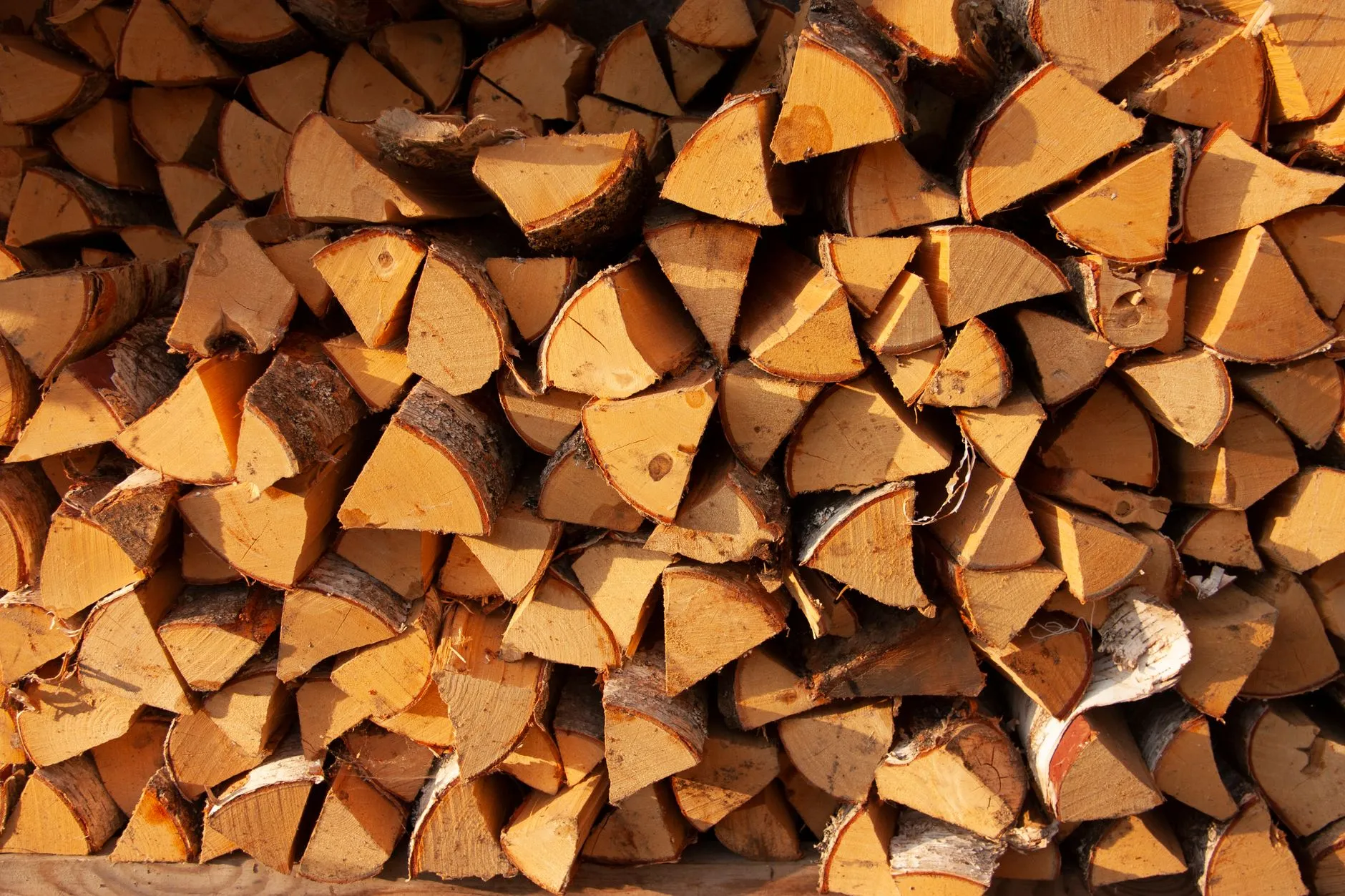
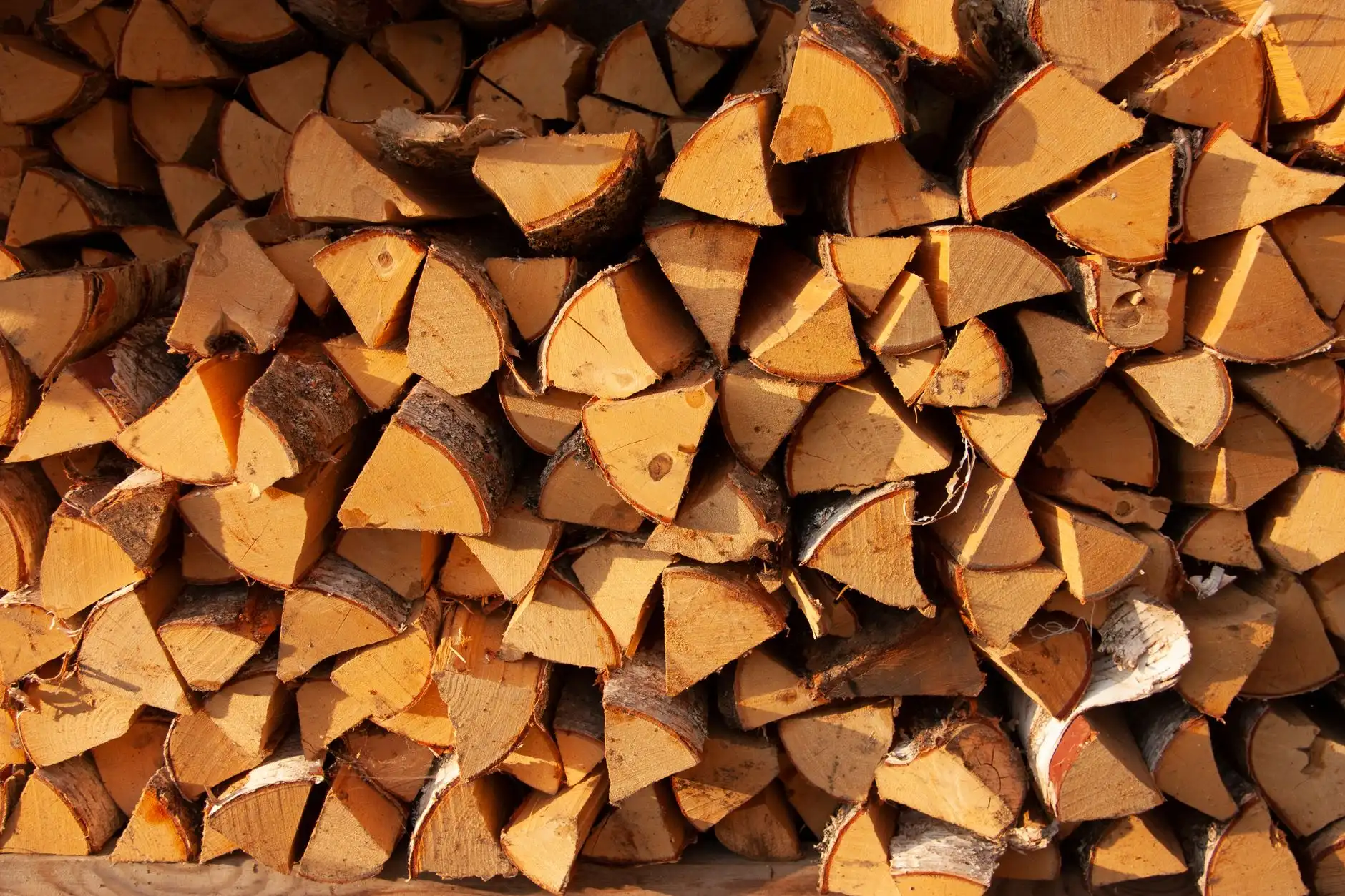
Seasoned wood has dried long enough to burn cleanly. Plan on at least six months for softer woods such as Douglas fir, and closer to a year or longer for dense hardwoods like oak or maple. Larger rounds take longer than small splits, so split the wood as soon as you can.
How to Stack and Dry the Wood
Good drying depends on air moving around the wood, not on keeping it indoors. A few habits make a big difference.
- Split the logs. Bark slows drying, and a split face releases moisture much faster than a whole round.
- Stack the wood off the ground on pallets or rails.
- Leave gaps between rows so air can pass through.
- Cover only the top of the stack and leave the sides open.
- Keep the stack a good distance from your house.
Our wet Pacific Northwest winters work against you, so cutting and stacking in the fall gives the wood the full drying season ahead. A cheap moisture meter takes the guessing out. Many wood-stove makers recommend firewood at about 20 percent moisture or lower, and the meter will tell you when you are there.
Which Trees Make Good Firewood
Hardwoods such as oak, maple, and madrona burn long and hot once they are dry. Softer woods such as Douglas fir and cedar light easily and are good for kindling and shoulder-season fires, though they burn faster. Almost any tree can be burned if it is dry. The trick is matching the wood to how you plan to use it.
Some wood is a poor choice. Avoid anything that is rotten or crumbling, anything covered in mold, and wood from a tree that was treated with chemicals before it came down. Ask your arborist if you are not sure about a particular tree.
Do Not Move Wood From a Sick Tree
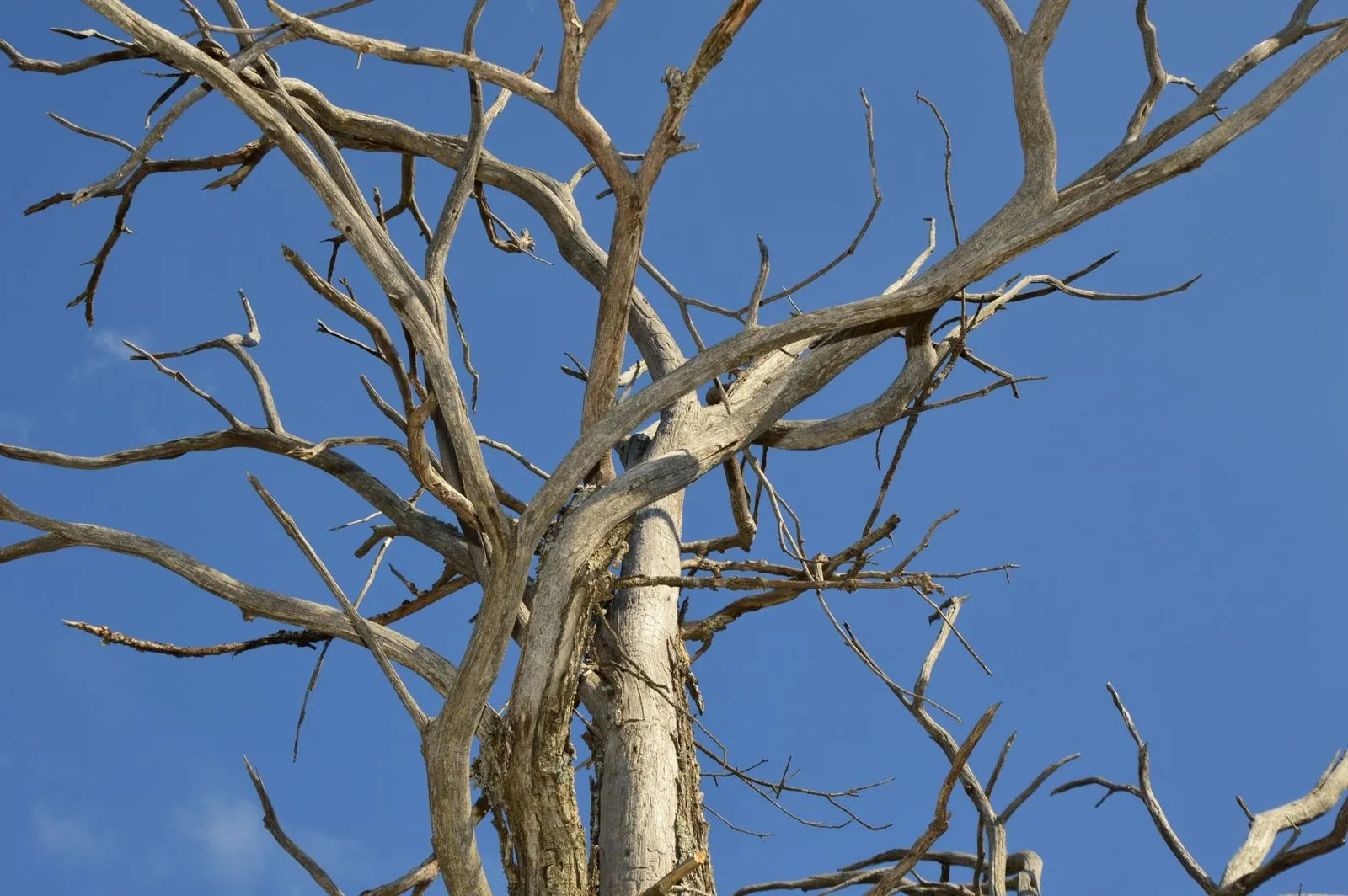
Tree pests travel in firewood. If your tree came down because of an insect or disease, keep the wood on your own property and burn it close to where it was cut. Do not give it away or haul it to a cabin or a campsite.
This matters in Clark County right now because emerald ash borer was confirmed in Vancouver. If your ash tree is a concern, start with our article on emerald ash borer in Vancouver, WA, and ask us before you move or share any ash wood. Homeowners deciding whether to treat or replace can read about emerald ash borer treatment.
What About the Stump?
The wood in the trunk is only part of the job. The stump stays behind unless you ask for it to be dealt with, and it can sprout, trip someone, or get in the way of a new planting. Stump grinding takes it below the surface so you can plant or lay sod there. If you are cleaning up after the work, read what to do after stump grinding for the wood chips and the soil left behind.
Plan the Whole Job With One Call
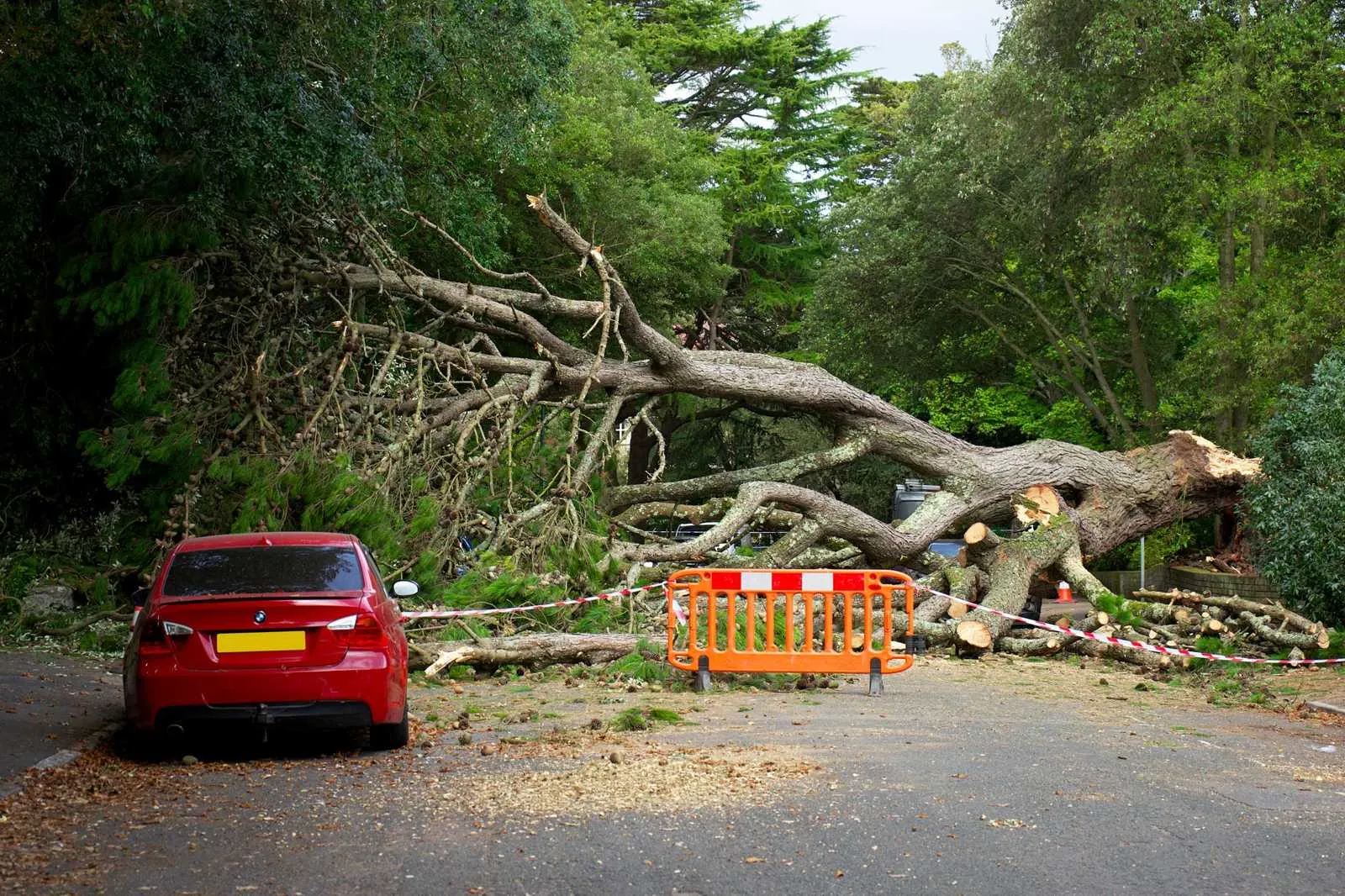
A planned tree removal is the easiest time to sort out the wood, because the crew can cut it to your length and leave it where you want it. If the tree has already come down in a storm, our emergency tree service comes first, and the firewood question can wait until everyone is safe. An arborist report can also tell you whether the wood from a questionable tree is worth keeping.
Common Questions About Firewood From a Removed Tree
How Long Does Firewood From a Fresh Tree Need to Dry?
Softer woods such as Douglas fir often need about six months once split. Dense hardwoods can take a year or more. Split wood dries faster, and a moisture meter tells you when it is ready.
Can I Burn Wood From a Tree That Died of Disease?
Often yes, but burn it near where it was cut and do not transport it. Pests and diseases can ride along in firewood, so keep it on your property.
Should I Ask the Crew to Leave the Logs?
Yes, if you want them. Tell the estimator at the estimate which length you need and where the wood should be stacked, so it is part of the plan and not a surprise on the day.
Thinking about taking a tree down this fall? Contact Priority Tree Service for a free estimate and tell us you want to keep the wood.