A tree can look fine and be failing, or look scary and be perfectly sound. A tree risk assessment is how a trained arborist tells the difference before a windstorm does it for you. In Clark County, that means doing it now, while the ground is still holding and the forecast is still quiet.
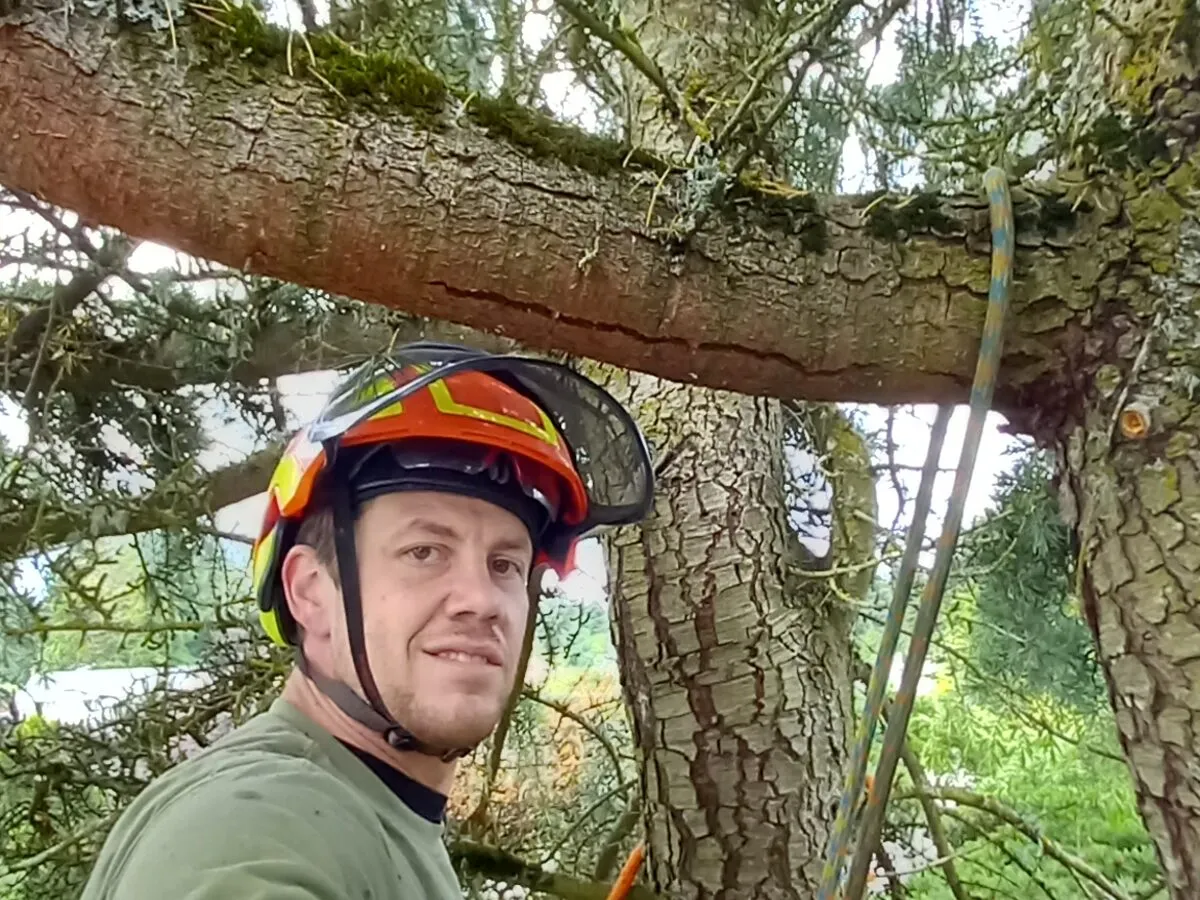
Stephen Douglas of Priority Tree Service is an ISA Certified Arborist and TRAQ qualified, which is the credential built for this work.
What a Tree Risk Assessment Is
A tree risk assessment looks at two things together: how likely the tree is to fail, and what it would hit if it did. TreesAreGood.org, the public education site of the International Society of Arboriculture, describes that second part as the target, such as a home, a car, a play area, or a power line.
The International Society of Arboriculture describes its Tree Risk Assessment Qualification as a voluntary program. People who earn it know how to gather and combine the information needed to assess risk and can make reasoned recommendations for reducing it.
What We Look At in a Tree Risk Assessment
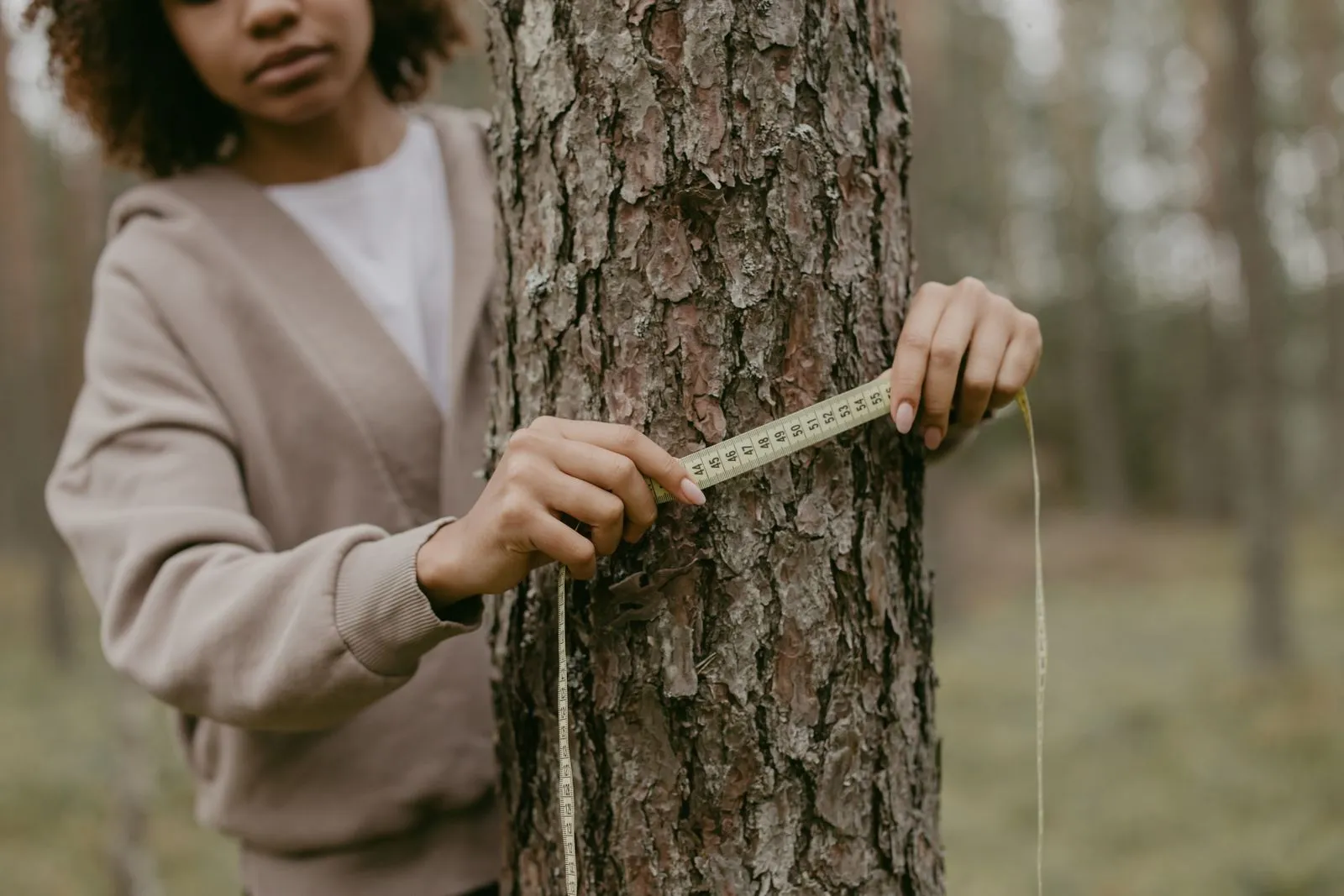
Our arborist reports and risk assessments cover the species, the structure, any defects, and the site. In practice that means a walk around the tree and its roots with a few specific questions. Roots matter as much as branches.
- Defects. Cracks, splits, dead wood, cavities, and fungus at the base. TreesAreGood.org also lists torn or broken branches and crown dieback.
- Roots and soil. Heaved ground, cut or buried roots, and recent digging, grade changes, or paving near the roots.
- Structure. Weak forks, heavy limbs over a roof, and a lean that has changed.
- The target. What sits under the branches and in the fall zone, and how often people are there.
The City of Vancouver says that recognizing and evaluating hazardous tree situations should only be done by a qualified ISA Certified Arborist. Decay inside a trunk is a good reason why. TreesAreGood.org notes that inspections can use instruments to detect it.
Which Trees to Have Assessed Before Winter
You do not need every tree on the lot checked. These are the ones worth a trained look before the wet, windy months.
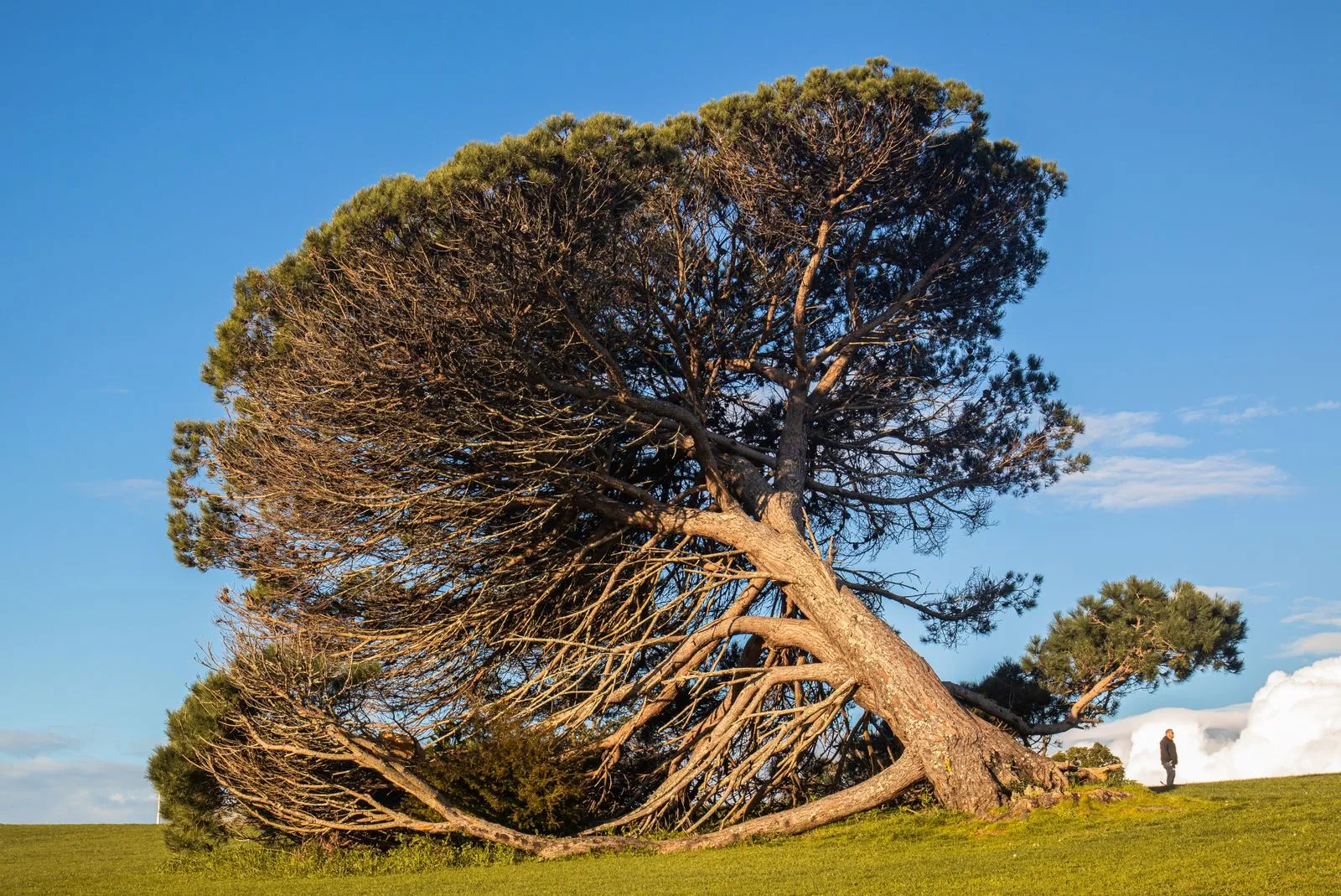
- A leaning tree that has shifted, or soil heaving at the base.
- Big conifers close to the house, especially firs thinning from drought. See why Douglas firs are dying in Clark County.
- Trees with dead tops, large dead limbs, or branches hanging over a roof, a driveway, or a play area.
- Trees whose roots were disturbed by a patio, fence, trench, or addition. Protecting tree roots during yard projects explains how that damage happens.
- Ash trees, now that the emerald ash borer has been found in Vancouver, WA. Our emerald ash borer treatment starts with an evaluation of the tree.
- Any tree that dropped a large limb in the last storm.
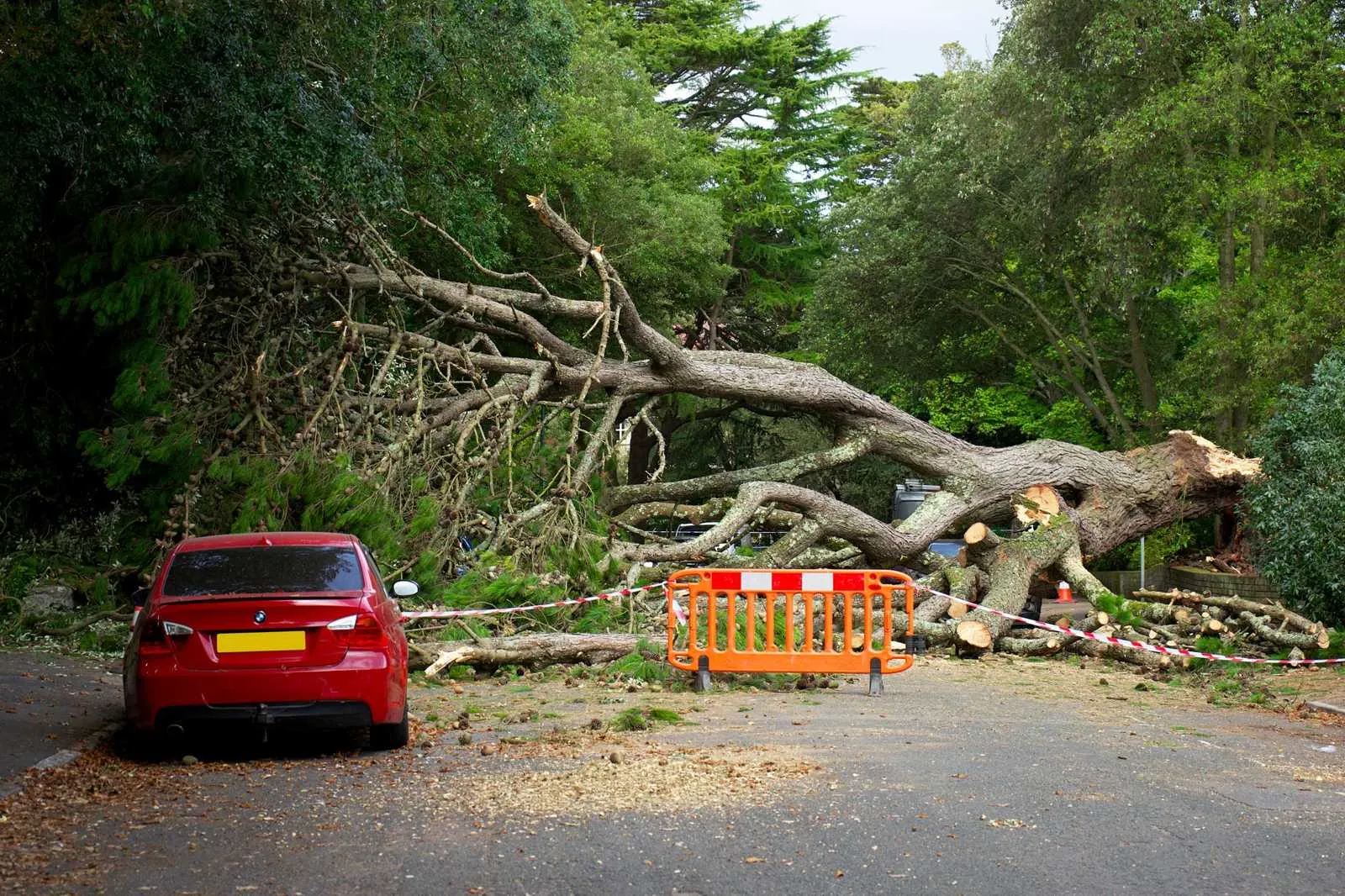
Wind in this county does not wait for an invitation. The Columbian reported a November 2022 east wind that came through the Columbia River Gorge, knocked down trees, and caused power outages in parts of the county.
What Happens After the Tree Risk Assessment
You get a straight answer on the tree and your options. From our arborist reports page, the choices are to save it, prune it, monitor it, or remove it. TreesAreGood.org adds moving the target and cabling or bracing a weak limb, with the caution that supports are not guarantees against failure.
If pruning is the fix, our tree trimming and pruning crew can do it. If the tree has to come out, we handle tree removal, including in Battle Ground, WA, Camas, WA, Ridgefield, WA, Salmon Creek, WA, and Washougal, WA.
The written report also does paperwork duty. Some Clark County jurisdictions ask for an arborist's evaluation before approving a removal permit, and insurers, HOAs, and buyers sometimes ask for one too. The City of Vancouver's tree permit page puts hazard trees on developed single-family lots under a Level III permit. Our post on tree removal permits in Clark County sorts out the rest.
Questions About Tree Risk Assessment
Can I Assess My Own Trees?
You can watch for the obvious signs: broken or torn branches, dead limbs, a changing lean, and thinning crowns. Our post on how to spot a hazardous tree covers them. You cannot see rot inside a trunk or damage in the roots, and that is the part a trained arborist adds.
Does an Assessment Mean the Tree Has to Come Down?
No. An assessment can end with pruning, a plan to monitor the tree, or a note that the tree is sound. If it does need to come out, you will hear why, and you can get a second opinion. Our post on comparing tree service estimates in Clark County shows what a written estimate should say.
What Should I Do While I Wait for the Visit?
Keep cars, play areas, and people out from under any tree you are worried about, and photograph the tree and its base so changes show up later. Dated photos help. If a tree comes down before the visit, our emergency tree service is there for it.
To schedule a tree risk assessment anywhere in Vancouver, WA or Clark County, contact Priority Tree Service for a free estimate.